Ready to take control of your diet and see real fitness results? Understanding macros is your first major step.

What Are Macros?
Macros, short for macronutrients, are the three key nutrients your body needs in large amounts to function and thrive:
- Protein
- Carbohydrates
- Fats
Unlike vitamins or minerals (micronutrients), macros provide the energy (calories) your body uses every day — for everything from breathing to lifting weights.
Why Macros Matter in Fitness
Tracking your macros helps you:
- Build muscle (when you eat enough protein and carbs)
- Lose fat (by adjusting your calorie intake)
- Stay energized (by balancing carbs and fats)
- Recover better (with the right nutrients post-workout)
📌 Understanding your macros gives you more control than just “counting calories.”
The 3 Macronutrients Explained
🔹 1. Protein
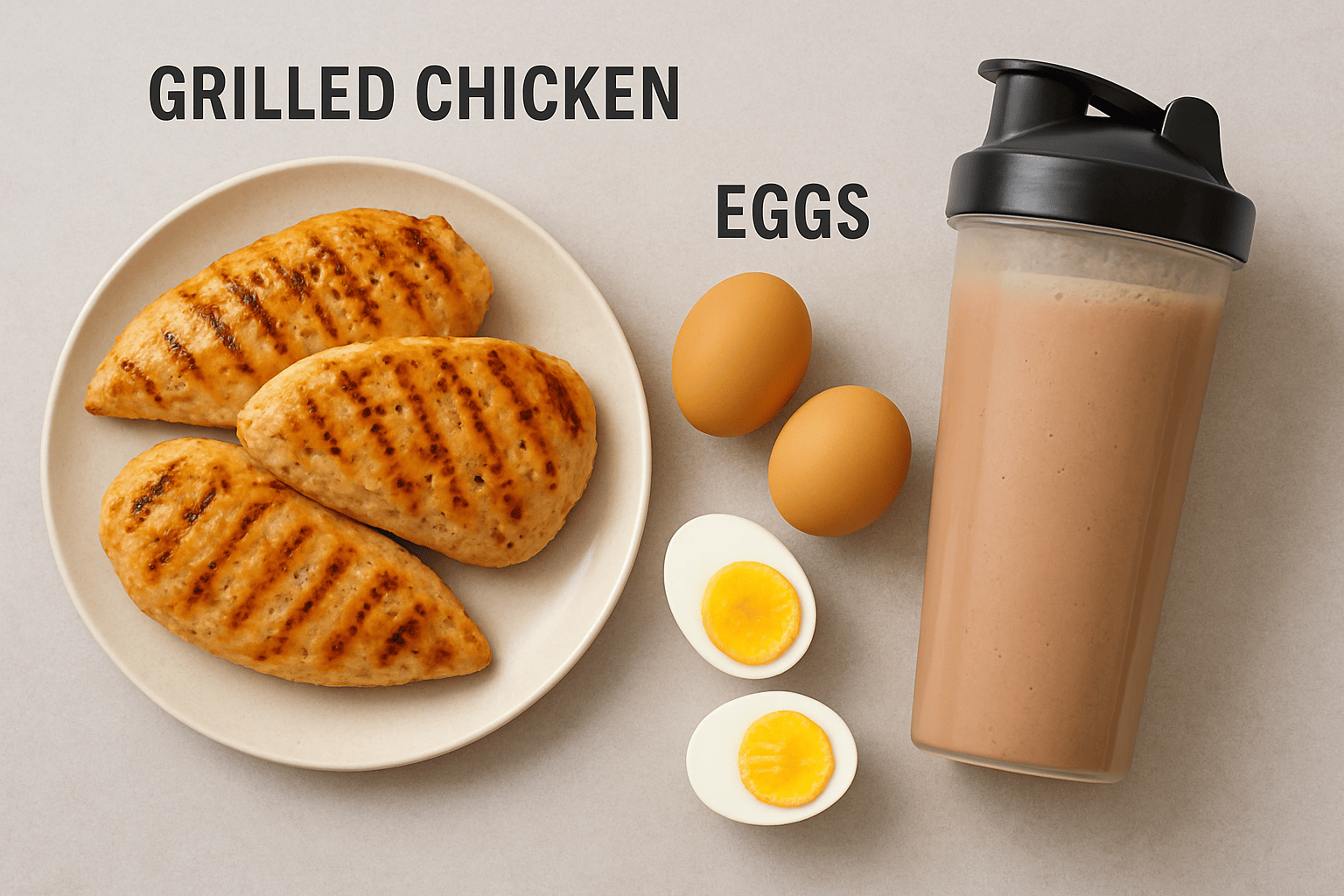
Protein is the building block of your muscles, skin, enzymes, and hormones.
- Each gram of protein = 4 calories
- Found in: Chicken, eggs, Greek yogurt, tofu, protein powder
- Recommended intake for beginners: 1.6–2.2g per kg of body weight daily
✨ Highlight: Protein is key for muscle repair and growth — especially important after workouts.
➡️See our Best Protein Powders for Beginners (2025 Review) post
🔹 2. Carbohydrates
Carbs are your body’s primary energy source.
- Each gram of carbs = 4 calories
- Found in: Rice, oats, fruits, vegetables, whole grains
- Important for: Fueling workouts, brain function, and glycogen storage
✨ Highlight: Don’t fear carbs — they’re your fuel, not your enemy.
🔹 3. Fats
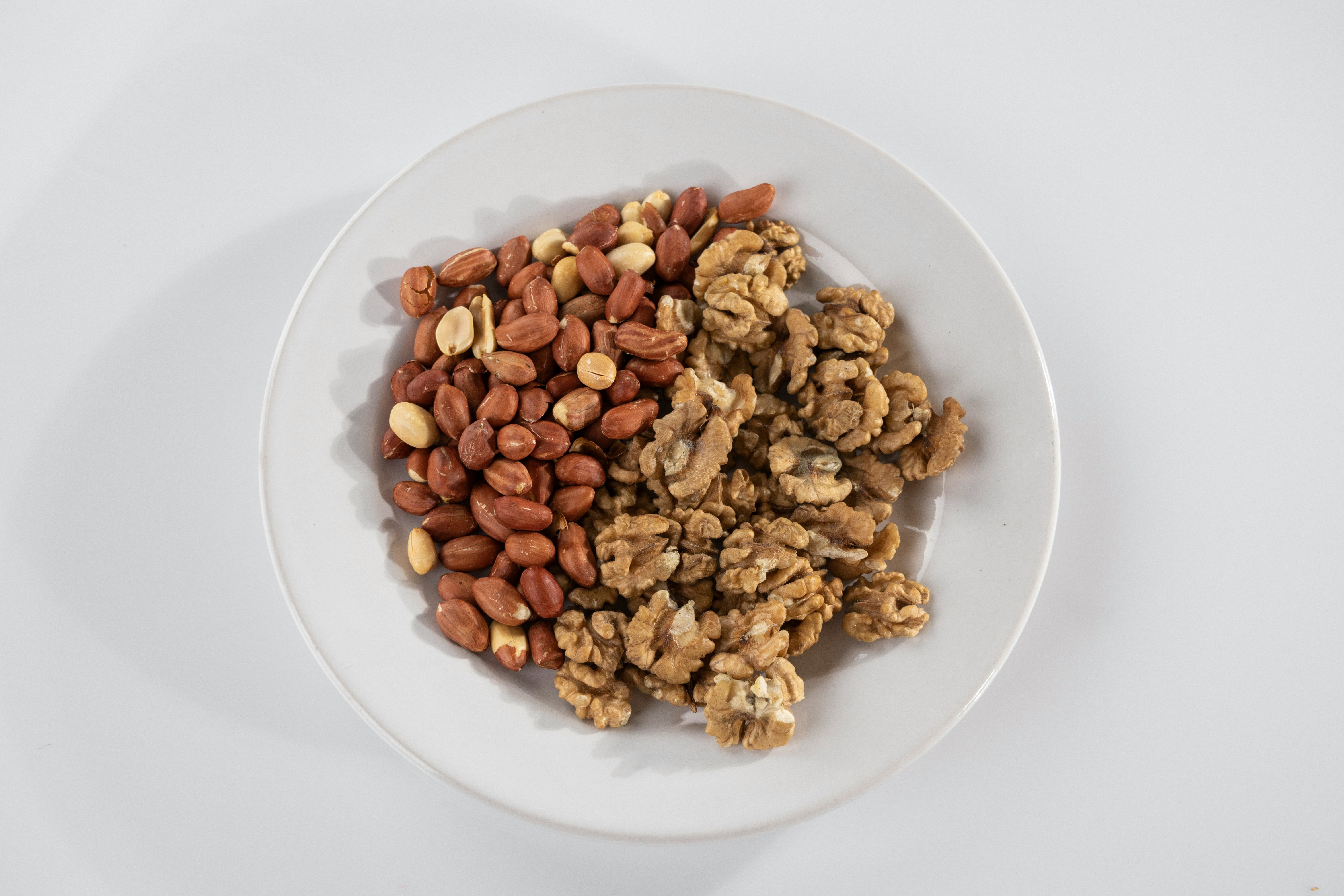
Fats support your hormones, brain health, and nutrient absorption.
- Each gram of fat = 9 calories
- Found in: Nuts, seeds, avocados, olive oil, fatty fish
- Should be about 20–35% of your daily calories
✨ Highlight: Healthy fats help you recover, sleep better, and stay full longer.
How to Calculate Your Macros
There’s no one-size-fits-all macro ratio, but here’s a common starting point:
| Goal | Protein | Carbs | Fats |
|---|---|---|---|
| Fat loss | 40% | 30% | 30% |
| Muscle gain | 30% | 50% | 20% |
| Maintenance | 30% | 40% | 30% |
You can use macro calculators like:
🔗IIFYM Macro Calculator
🔗Precision Nutrition Macro Calculator
✨ Tip: Recalculate your macros every few months as your body changes.
Tracking Your Macros
You don’t have to be perfect, but consistency helps. Use apps like:
- MyFitnessPal
- Cronometer
- LoseIt
📌 Track for a week to learn your habits — even if you don’t plan to track long-term.
Common Mistakes Beginners Make
🔻 1. Ignoring protein intake
Many people don’t get enough protein, which slows muscle growth.
🔻 2. Eating too little or too much fat
Healthy fats are crucial — but too much can overshoot your calories.
🔻 3. Cutting carbs completely
Low-carb may help short term, but long-term energy suffers.
Bonus: How to Eat by Macros Without Overthinking
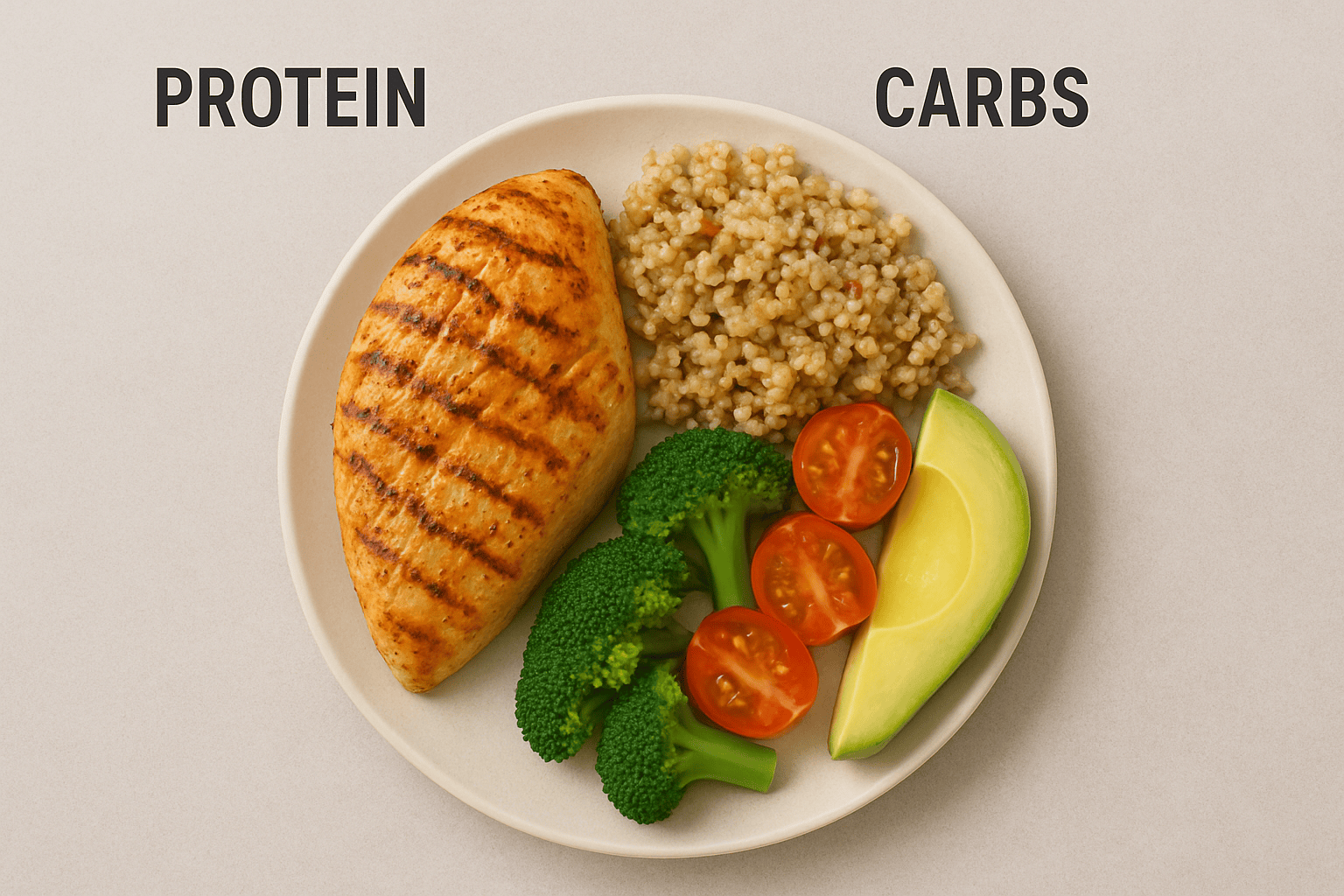
Here’s a simple daily template for macro-friendly meals:
- Breakfast: Eggs + oatmeal + berries
- Lunch: Chicken breast + quinoa + veggies + olive oil
- Snack: Greek yogurt + almonds
- Dinner: Salmon + sweet potato + spinach
Should You Try a Macro-Based Diet?
If you’re serious about results, learning your macros is a game changer. It gives you control and flexibility — so you can reach your goals without restrictive fad diets.
💡 Macros = Freedom: You can eat pizza, burgers, or chocolate occasionally — as long as they fit your macro goals.
Final Thoughts
Whether you want to bulk, cut, or maintain, mastering your macros is a foundation skill in fitness. It may feel confusing at first, but once you learn the basics, you’ll unlock the ability to build a sustainable plan that works for your goals.
🎯 Start small — track what you eat today and see where your macros fall.
🧭 Read our full guide on Top Pre-Workout Supplements to Boost Your Energy
🔗 Read more on Healthline’s Macro Basics
🔗 Check on MyFitnessPal Blog on Macro Tips