Because “listening to your body” is easier when your wrist translates for you.
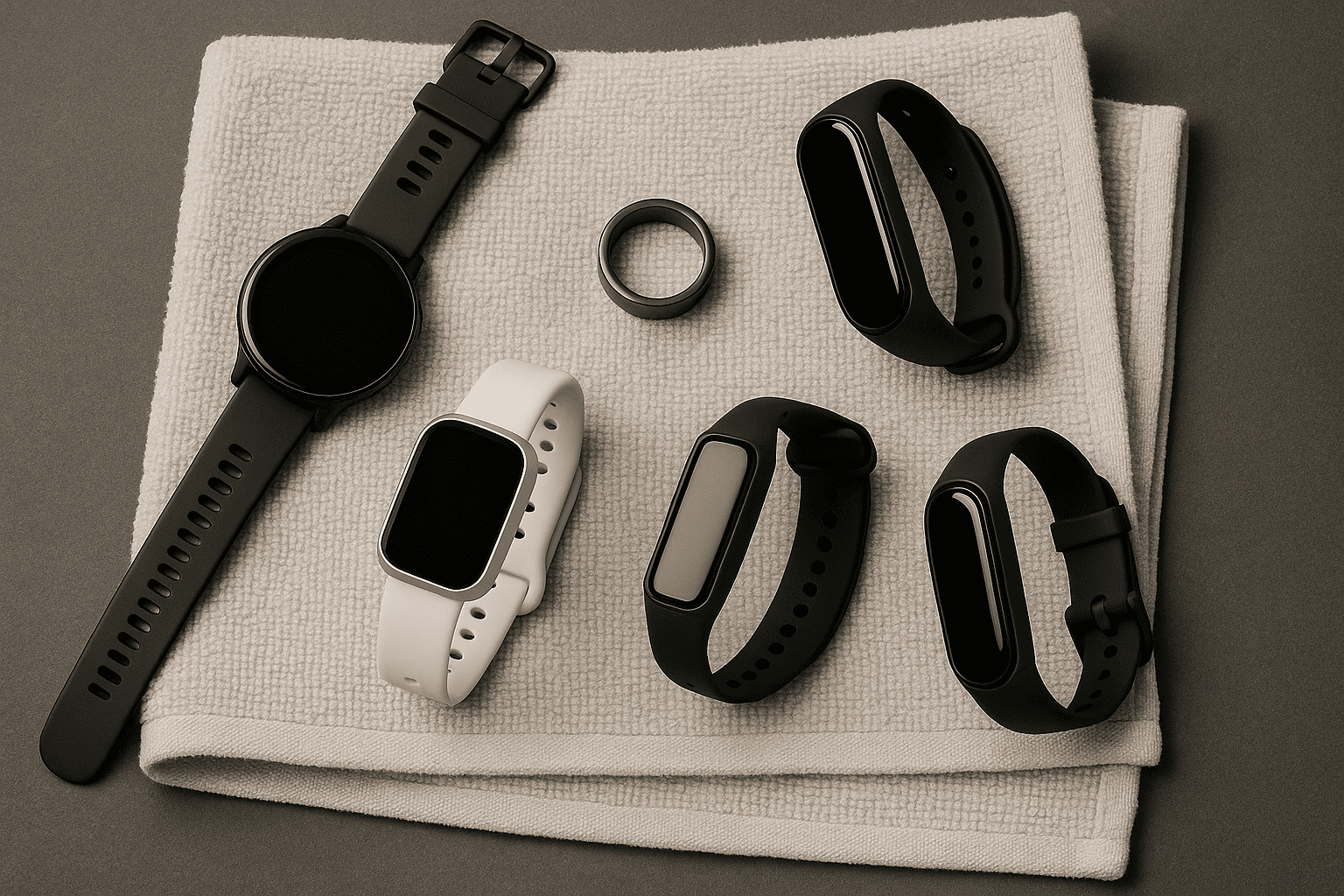
Whether you’re chasing a faster 5K, lifting heavier, or just trying to close those rings without pacing around your living room at 11:58 pm (we’ve all been there), the right fitness tracker can keep you consistent, honest, and motivated. Below are five excellent picks for everyday athletes in 2025—from simple bands to full-blown smartwatches—plus tips on who each is best for.
What to look for in Fitness Trackers
- Accuracy you’ll trust (HR, GPS, sleep)
- Battery life that survives your schedule
- Comfort + size (you won’t wear a brick daily)
- App quality and truly useful insights (not just graphs)
- Ecosystem fit (Apple/Android/Google/Fitbit/Garmin)
- Price (and any subscriptions)
✨: Pick the device that you’ll actually wear every day. Data you don’t collect can’t help you.
🥇 1. Apple Watch Series 10 — “Best all-rounder for iPhone users”

Apple’s Series 10 is thinner, packs a bigger display, fast charging, and new health insights (including possible sleep-apnea notifications). It’s the most seamless choice if you live in the Apple ecosystem and want fitness plus everyday smarts (payments, calls, messages).
Why you’ll like it
- Bright, large screen that’s easy to read on the move
- Excellent app ecosystem and coaching apps
- Fast top-ups (handy when you forget to charge)
Keep in mind
- Battery is good, not “multi-day Garmin good”
- iPhone required for the full experience
🥈 2. Garmin Venu 3 — “Best for training-first folks”

Prefer training metrics over app widgets? Venu 3 gives you Garmin’s proven GPS accuracy, AMOLED display, and phone calls/texts support—plus Garmin’s excellent sleep/stress/body-battery insights and long battery life compared to many smartwatches.
Why you’ll like it
- Strong training features without going full “pro”
- Battery that lasts (no nightly charger anxiety)
- Great recovery + readiness-style metrics
Keep in mind
- Fewer non-fitness apps than Apple’s ecosystem
🥉 3. Google Pixel Watch 3 — “Best smartwatch-tracker for Android”

With Fitbit smarts built in, Pixel Watch 3 blends Wear OS convenience with solid health tracking, 24-hour AOD battery, and safety features. If you’re on Android and want daily productivity plus legit fitness tools, this is the sweet spot.
Why you’ll like it
- Tight Google/Fitbit integration and coaching
- Clean design; strong everyday feature set
- Multiple exercise modes and reliable HR
Keep in mind
- Battery is one day, plan your charging cadence
- Premium insights may require Fitbit Premium
🔧 4. Fitbit Charge 6 — “Best simple band for everyday health”

Want lightweight, simple, and affordable? The Charge 6 is a great “just track it” band with sleep, HR, and stress metrics in a slim package. It’s an easy recommendation when you don’t need a full watch, just reliable daily health tracking. Independent tests still rate it highly in 2025 for the price.
Why you’ll like it
- Comfortable 24/7 wear; strong sleep insights
- Friendly app with clear trends
- Wallet-friendly compared to full watches
Keep in mind
- Battery is one day, plan your charging cadence
- Premium insights may require Fitbit Premium
💡 5. WHOOP 5.0 (strap) — “Best for recovery-obsessed athletes”

If you care most about recovery, strain, sleep, and stress, WHOOP 5.0 goes deep with 24/7 monitoring, personalized coaching, and multi-day battery—sold as a membership with the hardware included. It’s screenless (less distraction), comfortable, and laser-focused on readiness.
Why you’ll like it
- Elite-level recovery metrics & coaching
- Long battery life; wear it on wrist or bicep
- Regular feature updates (strength volume, labs)
Keep in mind
- Ongoing subscription, not a one-time purchase
- No on-wrist screen (everything lives in the app)
⭐ Quick picks
- iPhone user who wants everything: Apple Watch Series 10 Apple
- Training-first, longer battery: Garmin Venu 3 Garmin
- Android daily driver: Pixel Watch 3 Google Store
- Budget/simple band: Fitbit Charge 6 Android Authority
- Recovery & readiness focus: WHOOP 5.0
✨: Think about your ecosystem (Apple vs. Android) and whether you value smartwatch features or training/recovery depth more. That decides 80% of your satisfaction.
📙 How to use your fitness trackers to actually get results
- Set 1–2 clear goals in the app (e.g., “Run 3x/week” or “7.5 hrs sleep”).
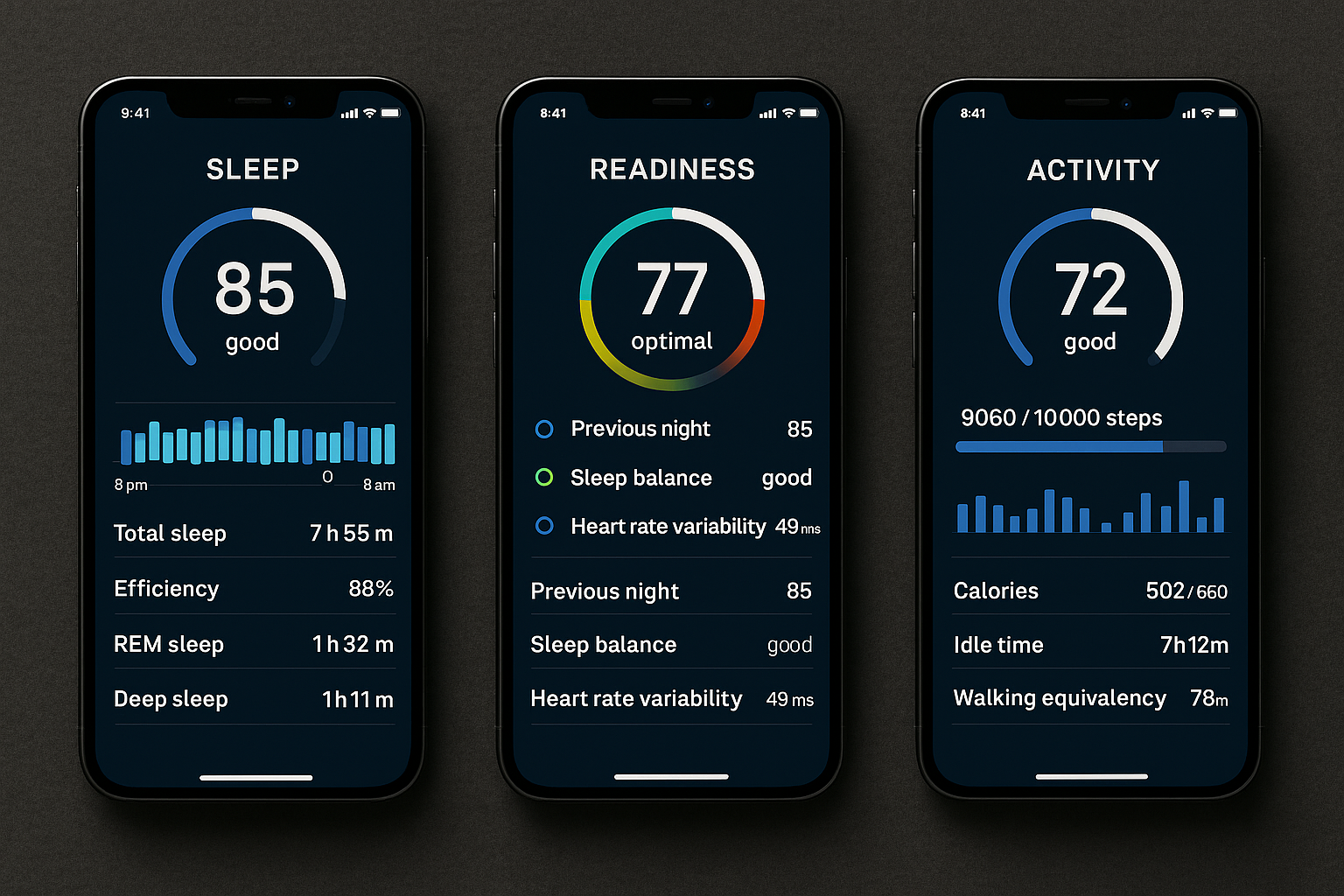
- Track strands that matter: sleep, HRV/readiness, weekly activity minutes.
- Review weekly trends (not just daily spikes).
- Act on the data—adjust volume, add rest days, or push when your recovery is green.
🦾 Additional information
- Pair your new fitness trackers with smarter recovery habits—read Why Sleep Matters for Your Fitness Results and our The Importance of Rest and Recovery for Fitness Gains guides.
- Independent roundup of best fitness trackers (2025) for a second opinion.
❗ FAQ (fitness trackers)
Do I need a subscription?
Some platforms (Fitbit Premium, WHOOP) put advanced insights behind a membership. Basic tracking still works without (WHOOP is membership-based by design).
How accurate are these for HR and GPS?
Wrist-based HR and GPS are very good now, but chest straps and dedicated run watches remain the gold standard for precision. (Garmin generally leads for GPS fidelity.)
Battery life?
Expect ~1 day on full smartwatches (Apple/Pixel), days to a week on bands (Fitbit), and multi-day on WHOOP and many Garmins.
🧠 Final thoughts
A tracker won’t do the work for you—but it will keep you accountable, celebrate your streaks, and nudge you when you’re overcooking it. Pick the device that fits your life, not just the spec sheet, and let the data guide you to steadier habits and better performance.
💡 Consistency beats perfection. Your tracker just helps you stay consistent.