You’re training hard and eating well—but are you sleeping enough?
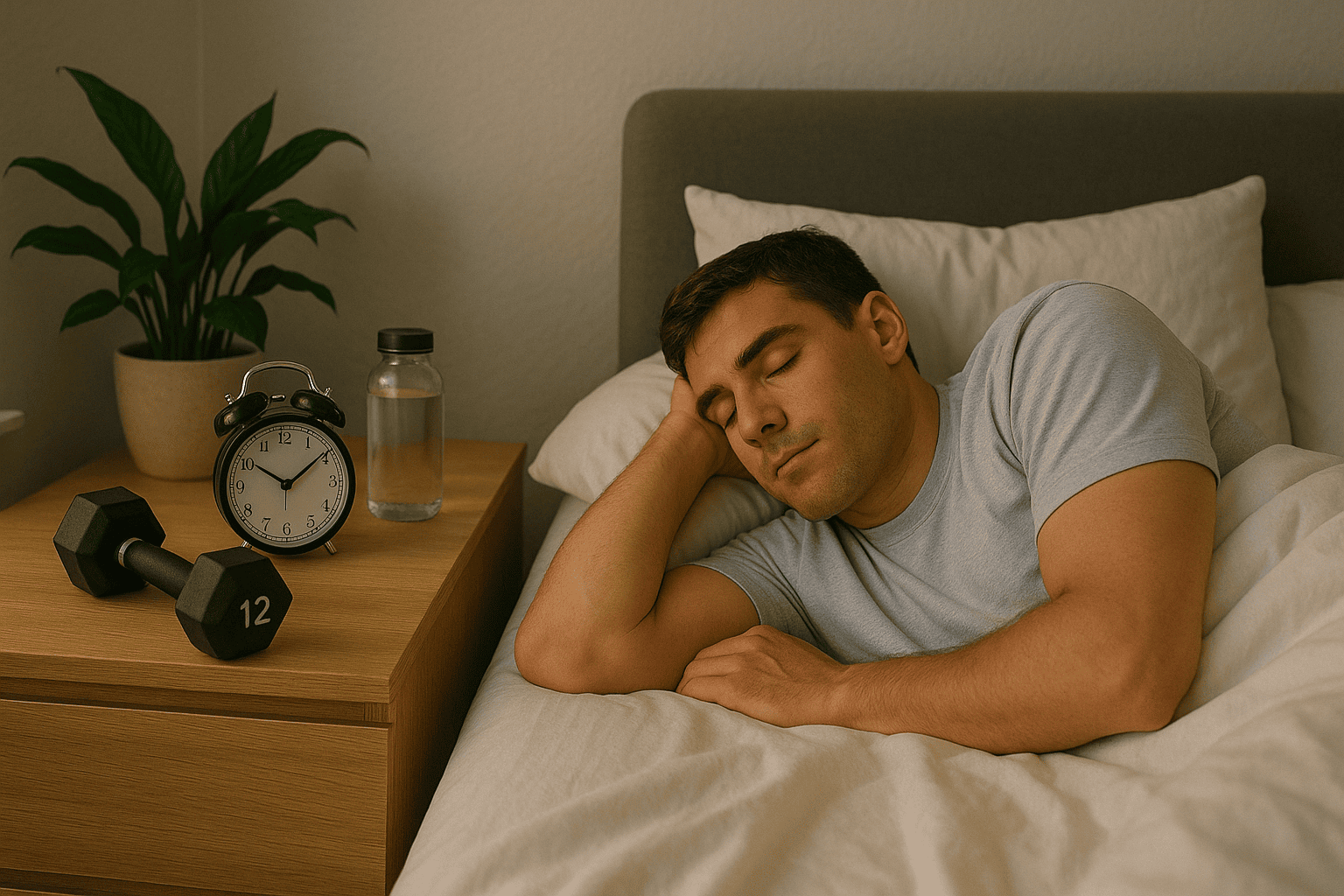
💤 The Overlooked Pillar of Fitness
In the world of fitness, sleep is often underestimated. While workouts and nutrition get all the attention, your body does most of its recovery and growth while you sleep.
Quality sleep = better muscle recovery, more fat loss, and improved performance.
If you’ve been hitting plateaus or feeling burnt out, improving your sleep might be the missing piece.
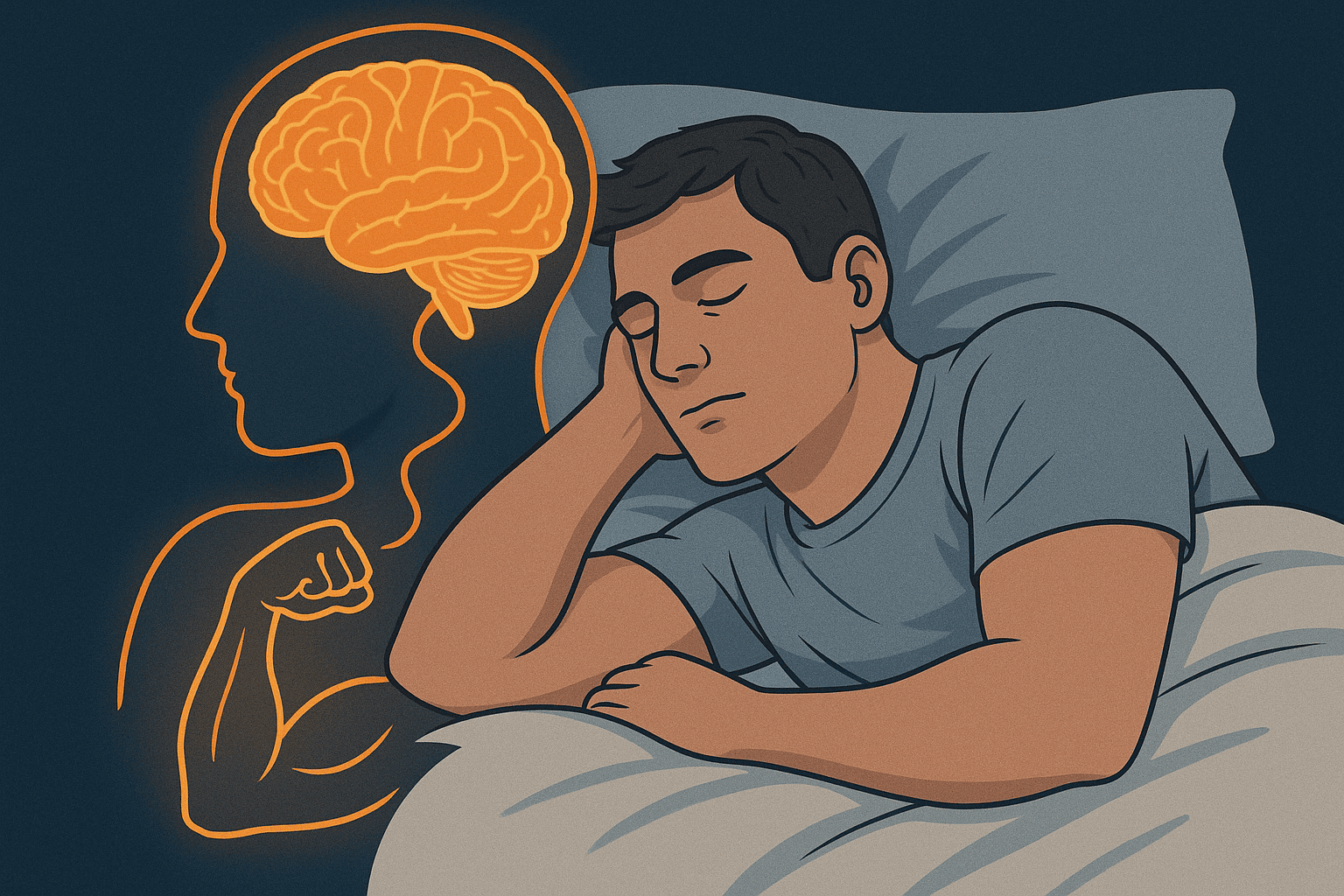
🔁 How Your Body Recovers During Sleep for Fitness Results
Sleep isn’t just rest—it’s active recovery. Here’s what happens while you’re catching Z’s:
- Muscle repair and growth (especially during deep sleep)
- Hormone regulation (like testosterone and growth hormone)
- Fat metabolism and appetite control
- Mental focus and reaction time restoration
📉 The Impact of Poor Rest on Your Fitness
Consistently skipping out on rest can sabotage your results, even with a perfect workout routine.
Here’s what a lack of sleep does:
- Increases cortisol (stress hormone), which promotes fat storage
- Decreases testosterone and growth hormone, limiting muscle growth
- Reduces glycogen storage, leaving you with low energy for workouts
- Impairs focus and coordination, raising injury risk
✨ Sleeping fewer than 6 hours per night can reduce physical performance by up to 30%.
🔗 Read research from Sleep Foundation on fitness & sleep
⏱️ How Much Sleep Do You Really Need?
For active adults, aim for:
- 7–9 hours per night
- Consistent bedtime and wake-up routines
- Limiting blue light and heavy meals before sleep
📌 Pro Tip: Your body thrives on rhythm—so try to sleep and wake up at the same time every day.
⚖️ Recovery & Fat Loss
Even if your calories are in check, poor sleep can hinder fat loss:
- You’ll crave more sugar and high-carb foods
- Your body burns fewer calories at rest
- Insulin sensitivity decreases, leading to fat storage
🔗 Read reserach about Harvard Health on sleep & metabolism
✨ In one study, dieters who slept 5.5 hours lost 55% less fat than those sleeping 8.5 hours—even with the same calorie intake.
💪 Bedtime Routine & Muscle Recovery
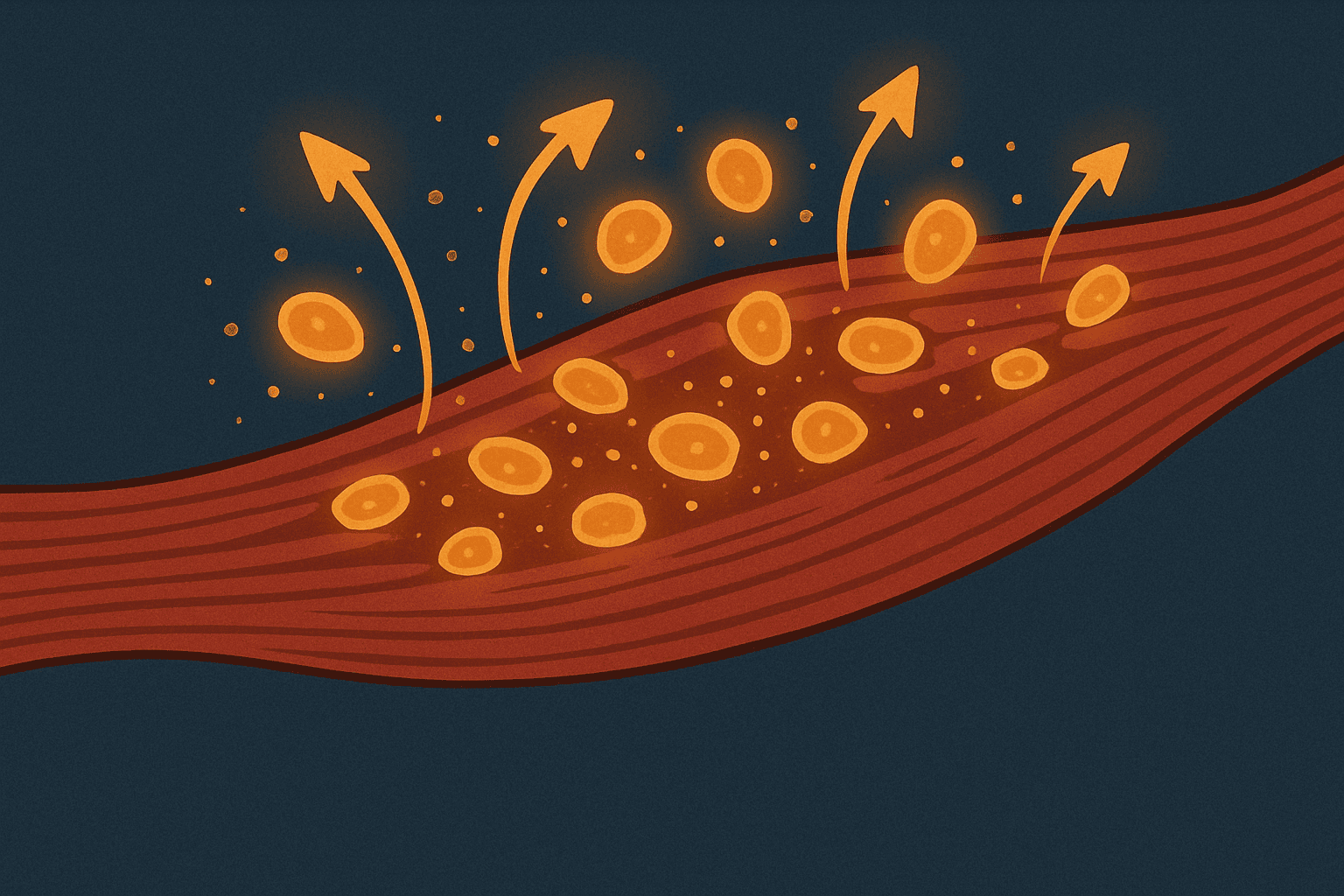
Muscle tissue repairs and grows primarily at night. Missing sleep means:
- Slower recovery after training
- Higher risk of overtraining
- Less strength and performance gains
🎯 Tips to Improve Sleep for Better Results
Here are 6 proven tips to improve your sleep quality and, in turn, your fitness results:
- Don’t eat large meals right before bed
- Create a wind-down routine – 30 mins before bed, no screens or stimulation
- Limit caffeine after 2 p.m.
- Keep your bedroom cool (60–67°F or 16–19°C)
- Blackout your room with curtains or a sleep mask
- Get sunlight in the morning – helps regulate your body clock
📌 Try tracking your sleep with a fitness app or wearable—many people overestimate how much they actually sleep.
🧠 What If You Can’t Sleep Well?
Poor rest isn’t always a choice. If you’re dealing with insomnia, anxiety, or night-time restlessness:
- Speak with a professional if it persists
- Try melatonin or magnesium supplements (always consult a doctor first)
- Practice deep breathing or guided sleep meditations
➡️ Read our post on The Importance of Rest and Recovery for Fitness Gains
✅ Conclusion: Make Sleep a Priority
If you’re serious about fitness, don’t treat sleep as an afterthought. It’s not a luxury—it’s a necessity.
✨ Great workouts start with great sleep. Rest is when your body actually changes.
So tonight, instead of scrolling for 30 more minutes, shut it down and rest up—you’ve earned it.
📌 FAQ: Sleep & Fitness
Q: Is 6 hours of sleep enough for muscle growth?
A: No. Aim for 7–9 hours for optimal recovery and performance.
Q: Can I catch up on sleep on weekends?
A: It helps, but it doesn’t fully reverse the negative effects of chronic sleep deprivation.
Q: Does napping help?
A: Yes! A 20–30 minute nap can improve alertness and performance.